Reliable access to clean drinking water depends on well-maintained water infrastructure. When critical transmission mains serving hospitals, airports, manufacturing facilities, or entire communities require repairs or upgrades, taking them out of service can result in significant operational challenges and costs.
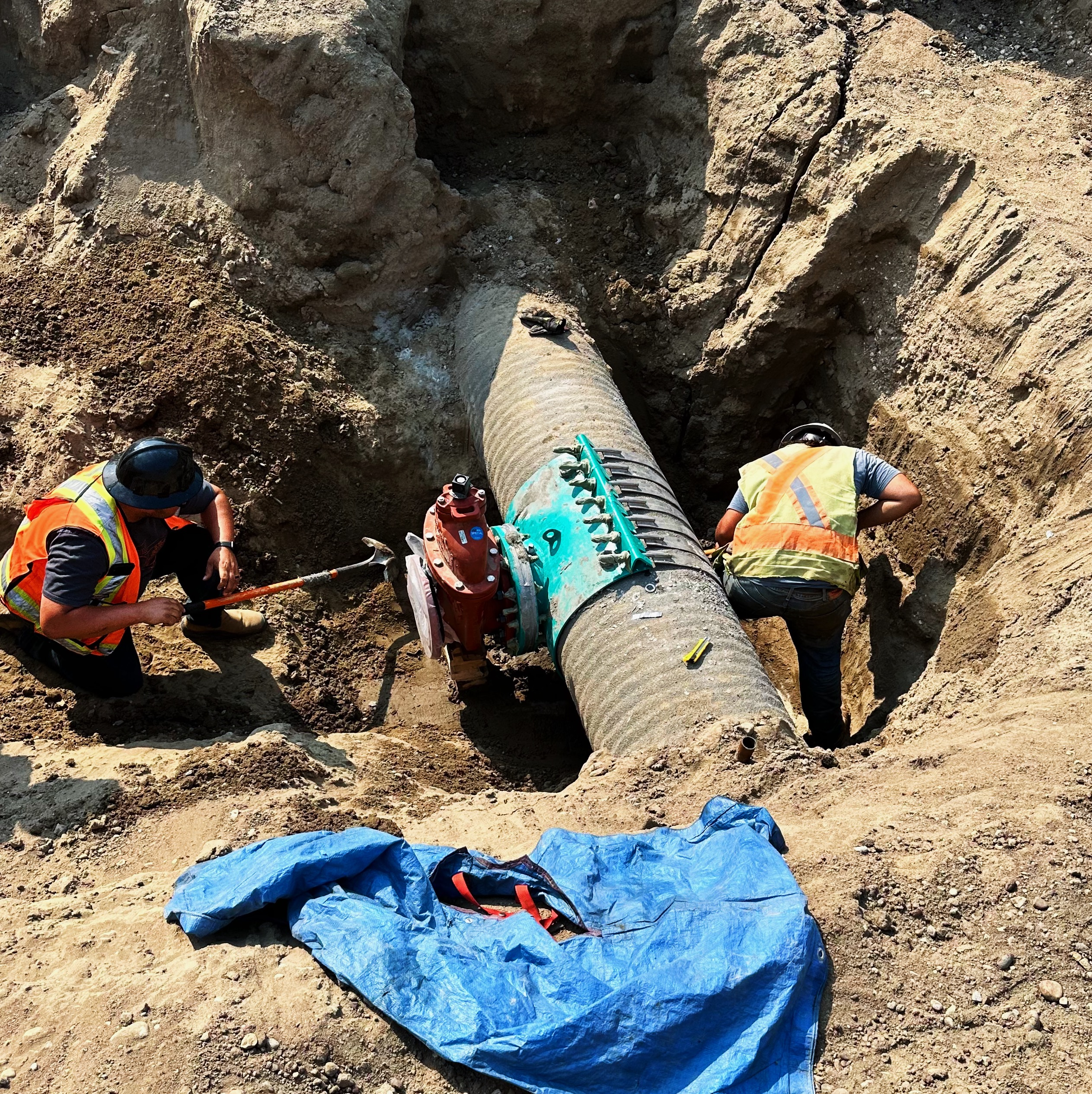
Flow Control Solutions specializes in live pipeline solutions that allow essential work to be completed while the water system remains in operation. Using advanced hot tapping and line stopping techniques, our team can repair leaks, install new connections, isolate sections of pipe, or support modifications to AWWA Concrete Cylinder Pipe (CCP) systems without disrupting water service. Whether your project involves infrastructure upgrades, emergency repairs, or the installation of new chambers and connections, Flow Control Solutions has the expertise and equipment to complete the work safely and efficiently.
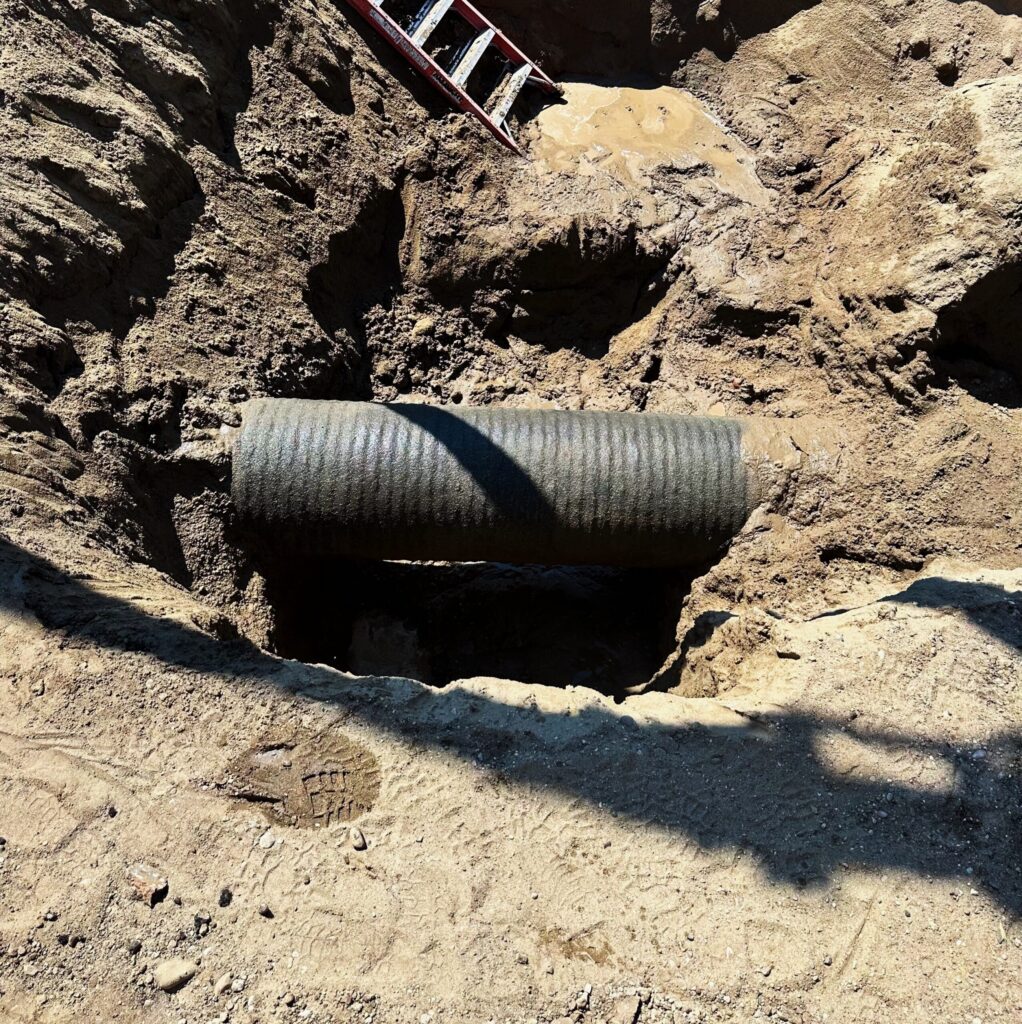
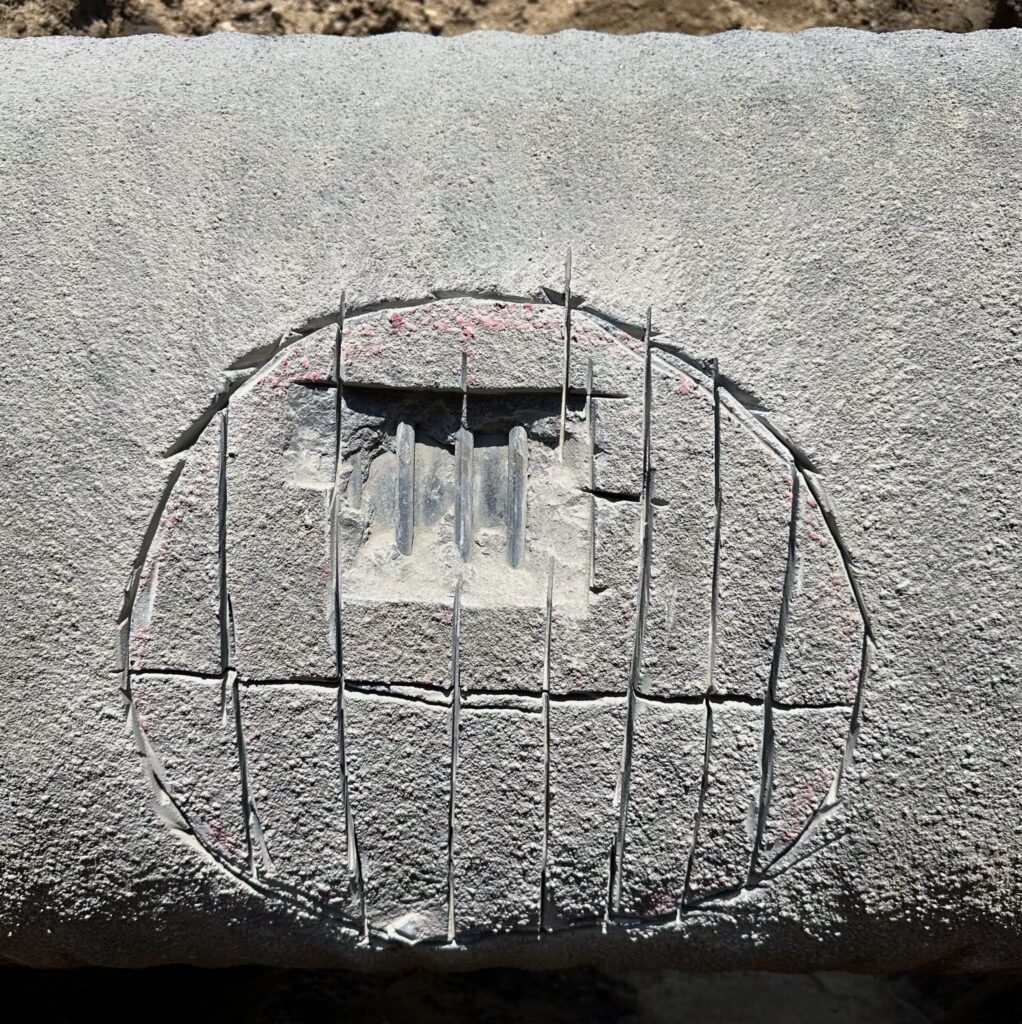
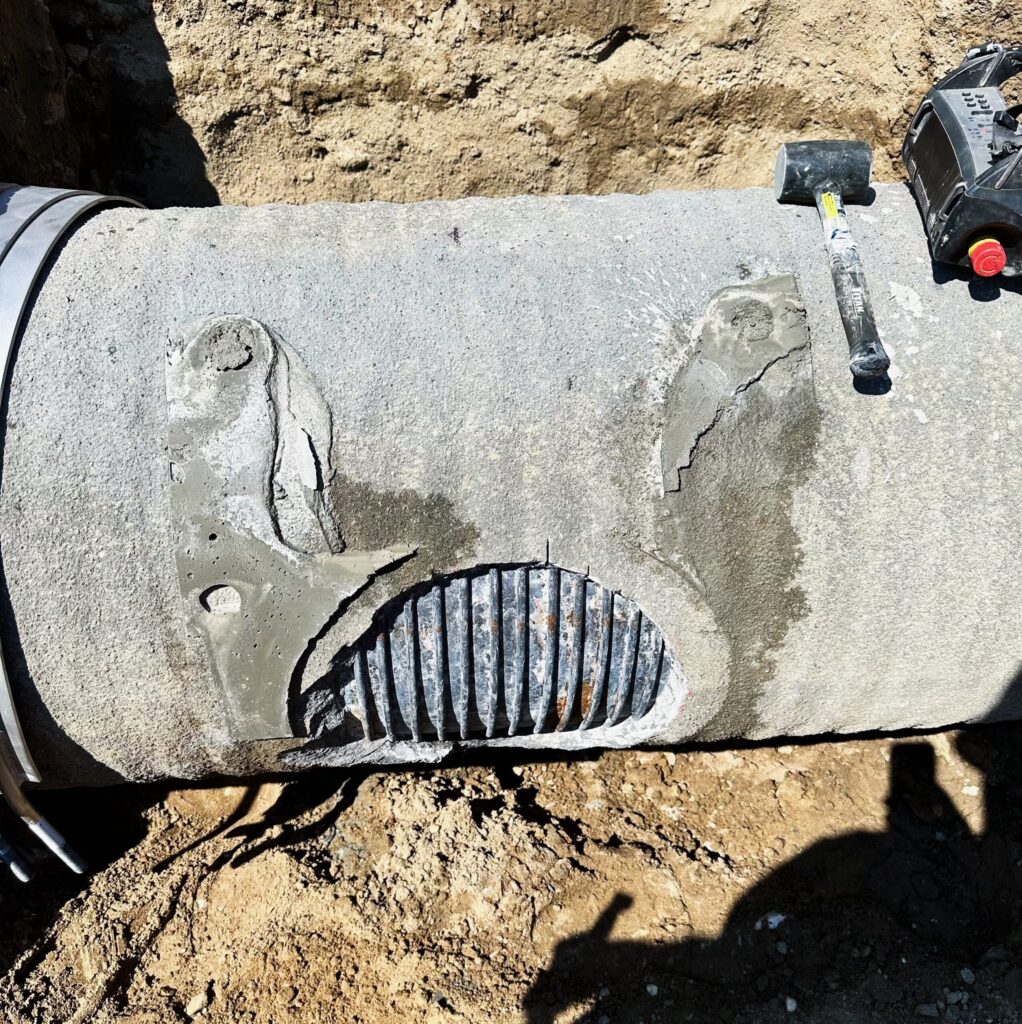
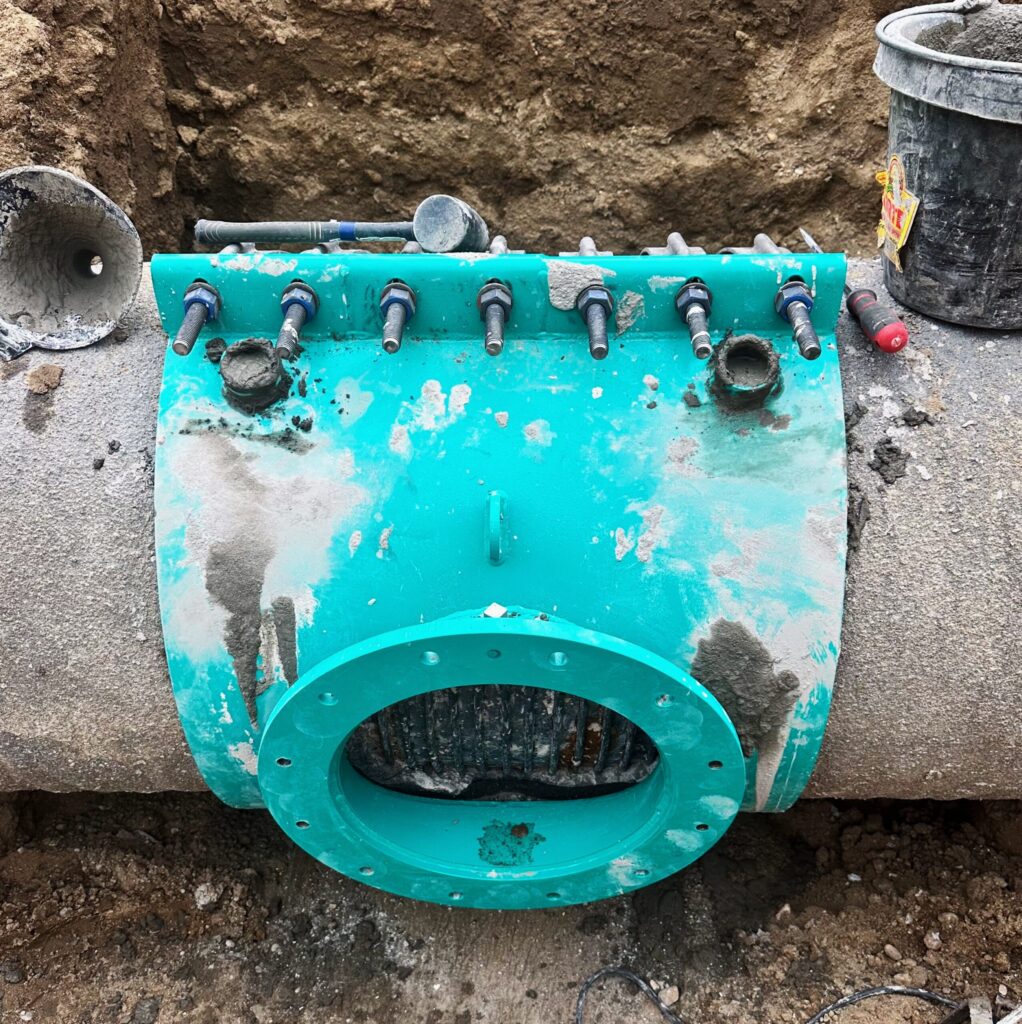
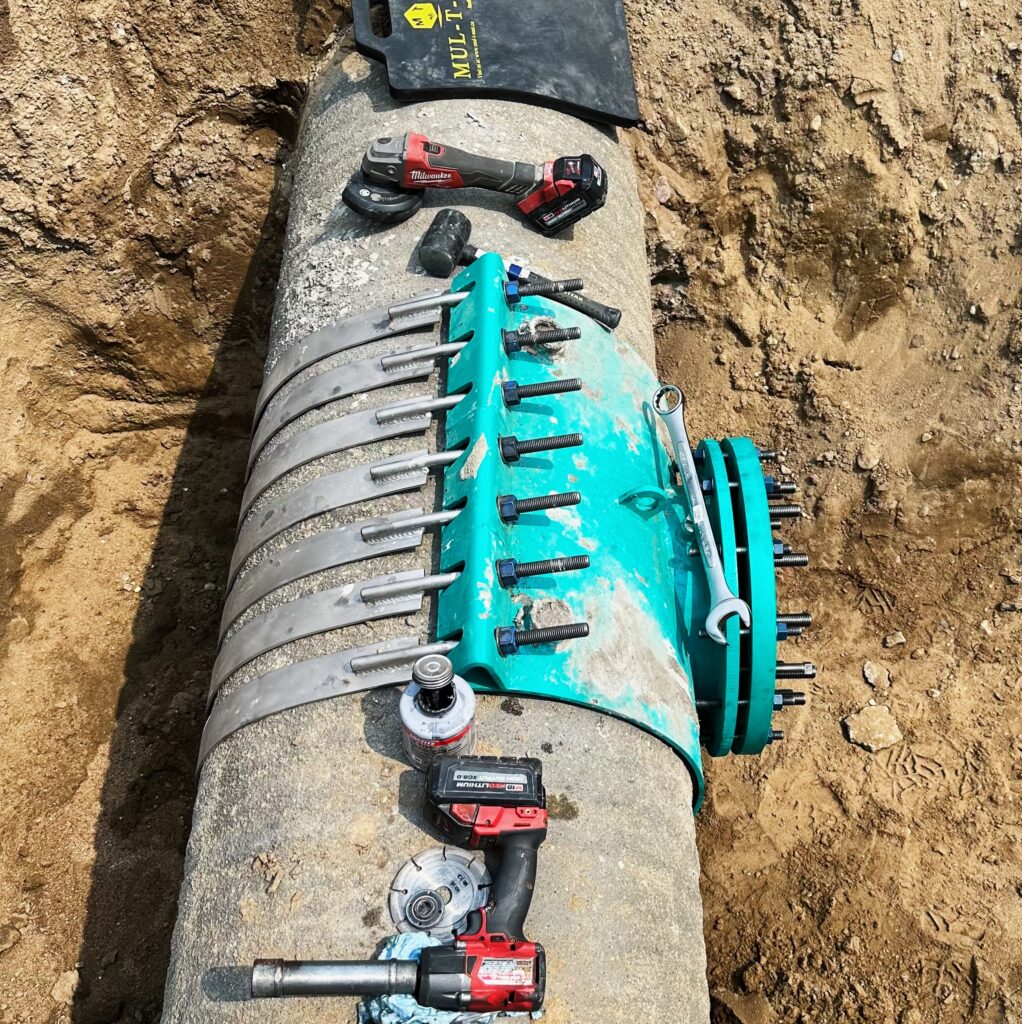
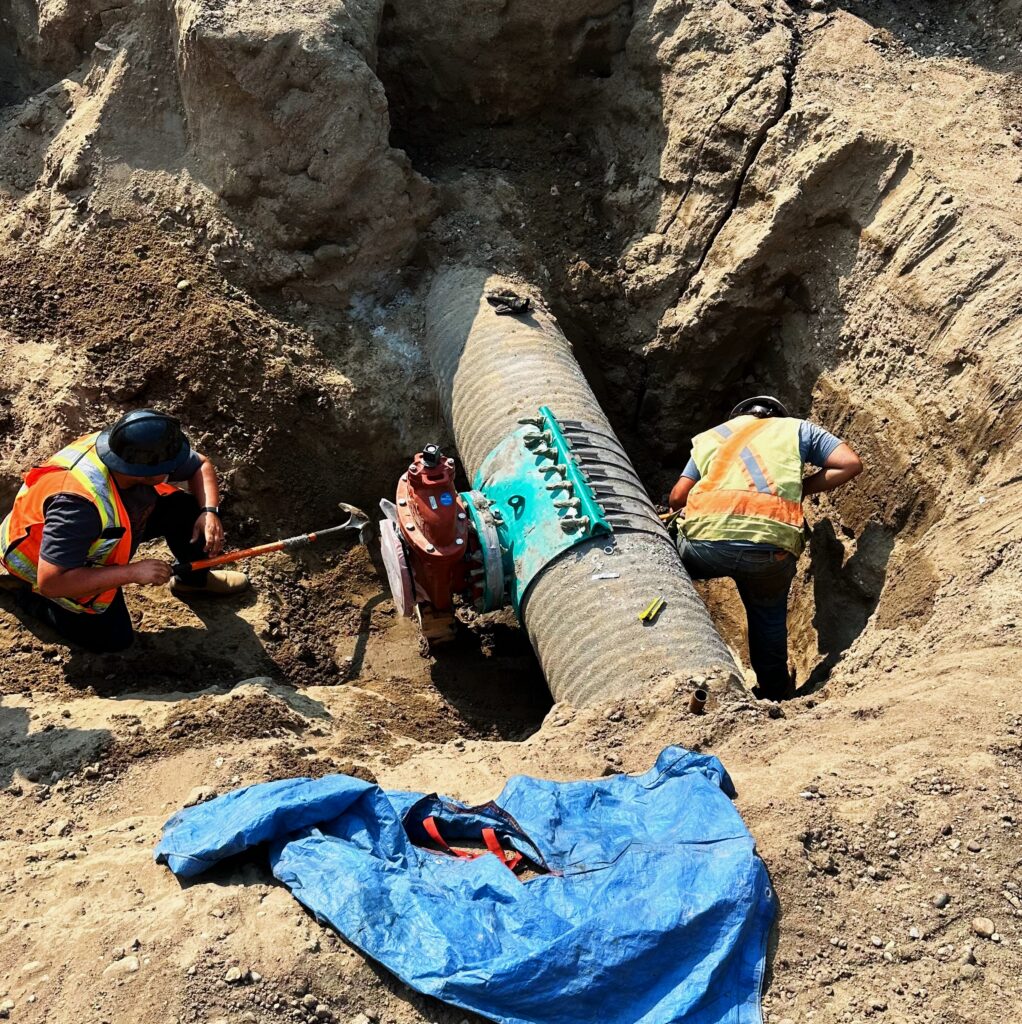
Two main types of CCP are common in Canada:
1. AWWA C301 – Prestressed Concrete Cylinder Pipe (PCCP)
Constructed with high-strength prestressing wire to provide exceptional structural strength.
Features an embedded steel cylinder for additional reinforcement and pressure resistance.
Commonly installed on large-diameter, high-pressure water transmission mains.
2. AWWA C303 – Bar-Wrapped Concrete Cylinder Pipe (BWCCP)
Manufactured with helically wrapped steel reinforcing bars surrounding the concrete core.
Offers excellent durability and flexibility for large-diameter pipeline applications.
Frequently used in municipal water transmission systems requiring long-term performance and reliability.
Why CCP Pipes Develop Leaks?
While AWWA C301 (PCCP) and AWWA C303 (BWCCP) pipelines are designed for long service life, they can still develop leaks or require repairs over time. Common causes include:
- Corrosion of internal or external components
- Ground movement and shifting soil conditions
- Long-term aging and material deterioration
- Changes in water quality that accelerate wear
- Pressure fluctuations, surge events, or other operational stresses
Routine inspections, condition assessments, and proactive maintenance help identify potential issues before they become major failures, extending the service life of critical water infrastructure and reducing the risk of unexpected service interruptions.
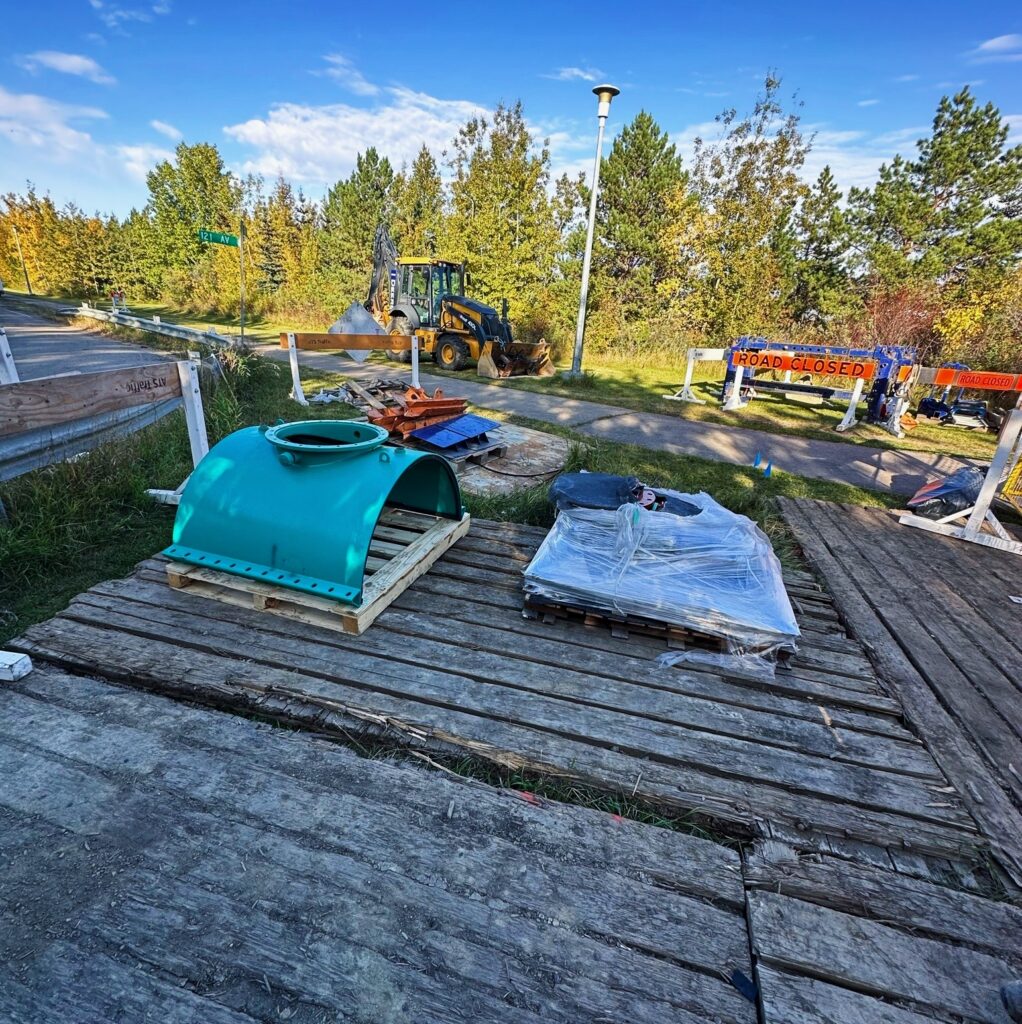
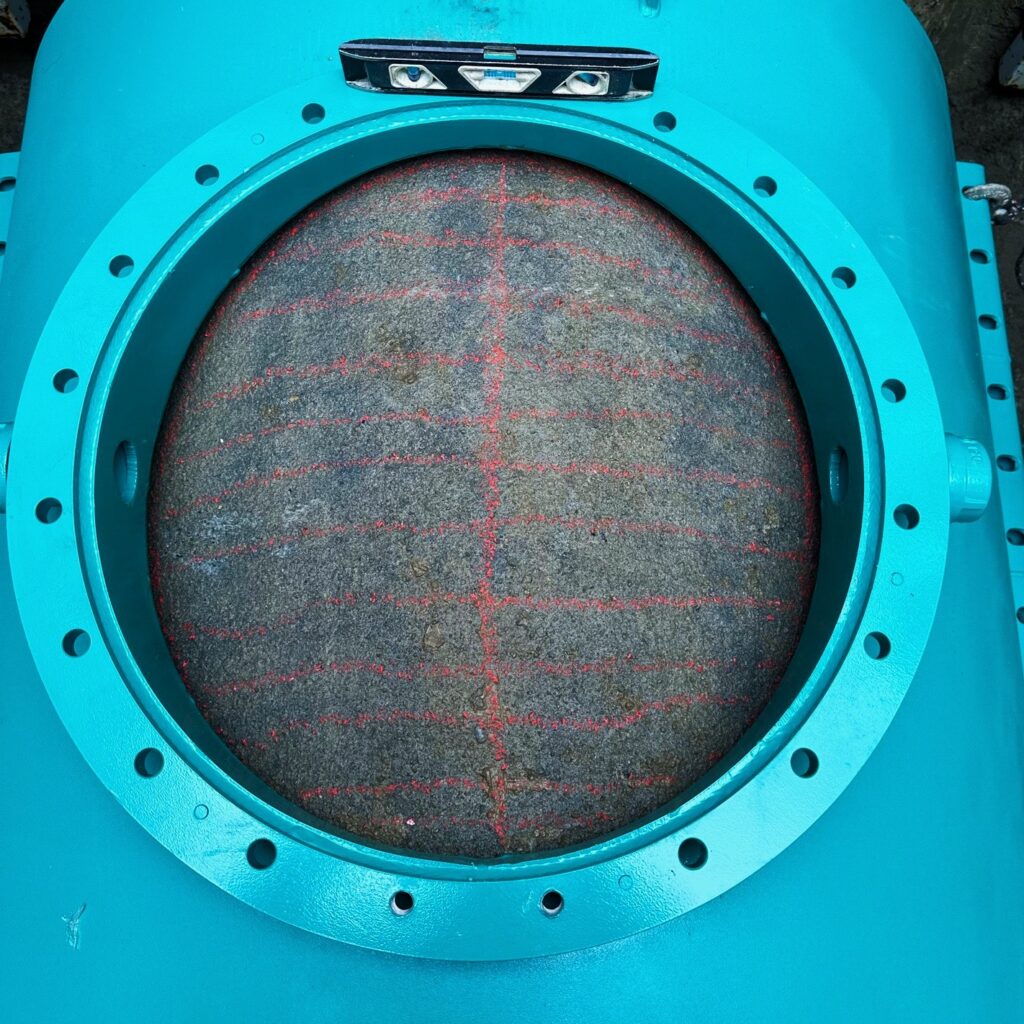
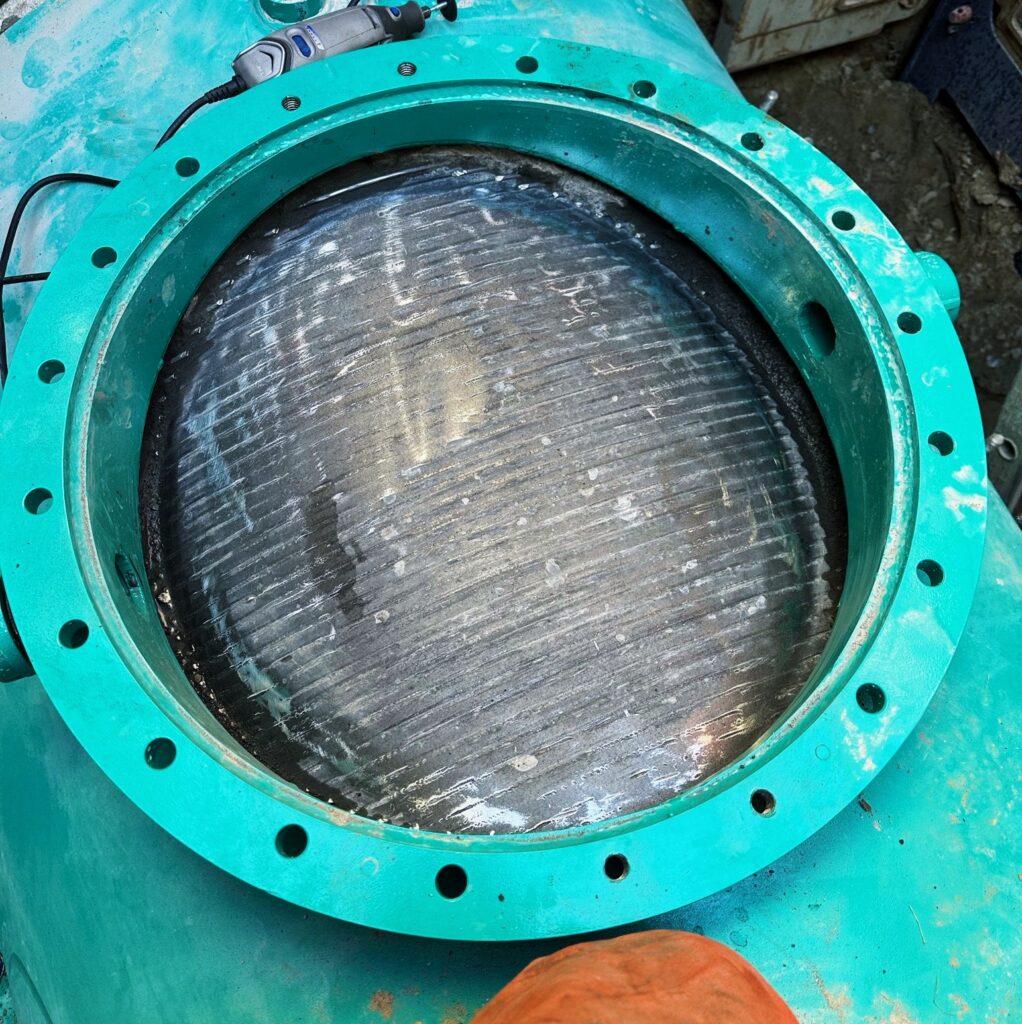
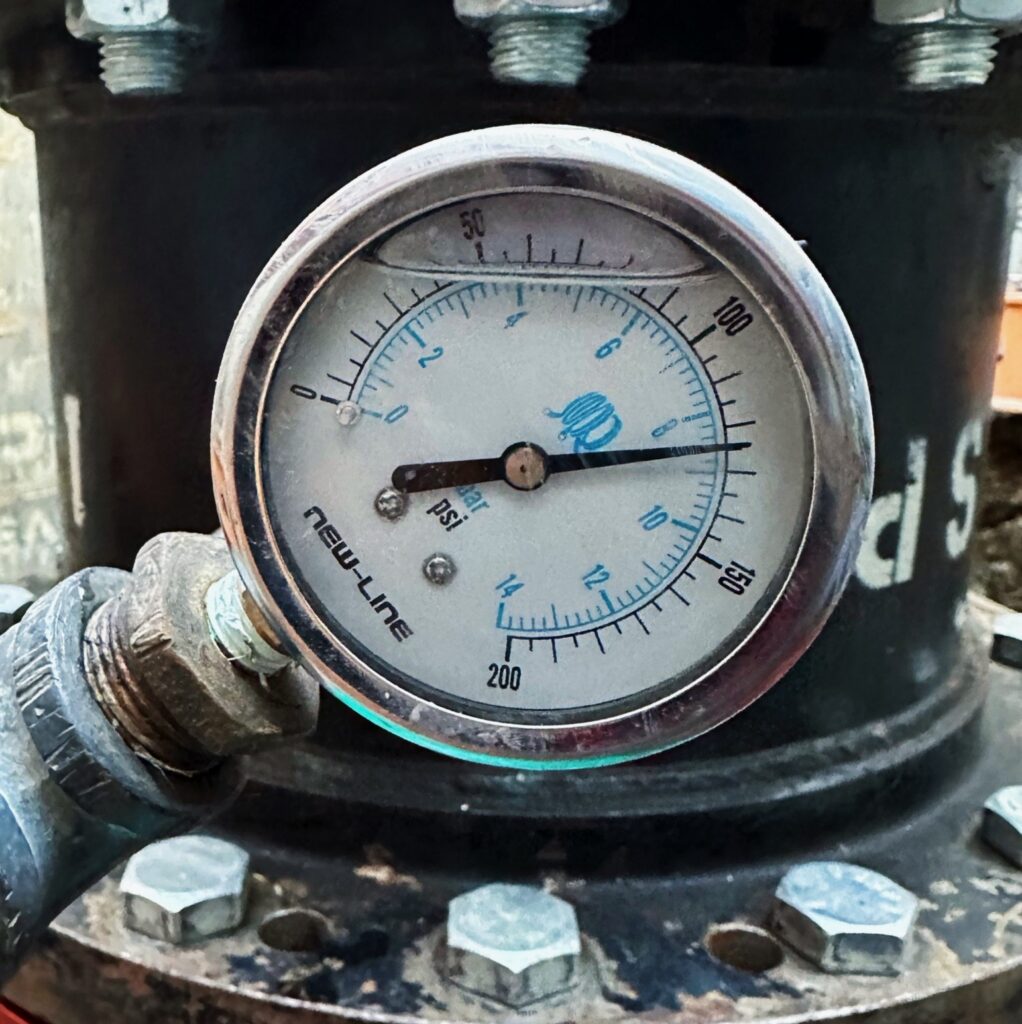
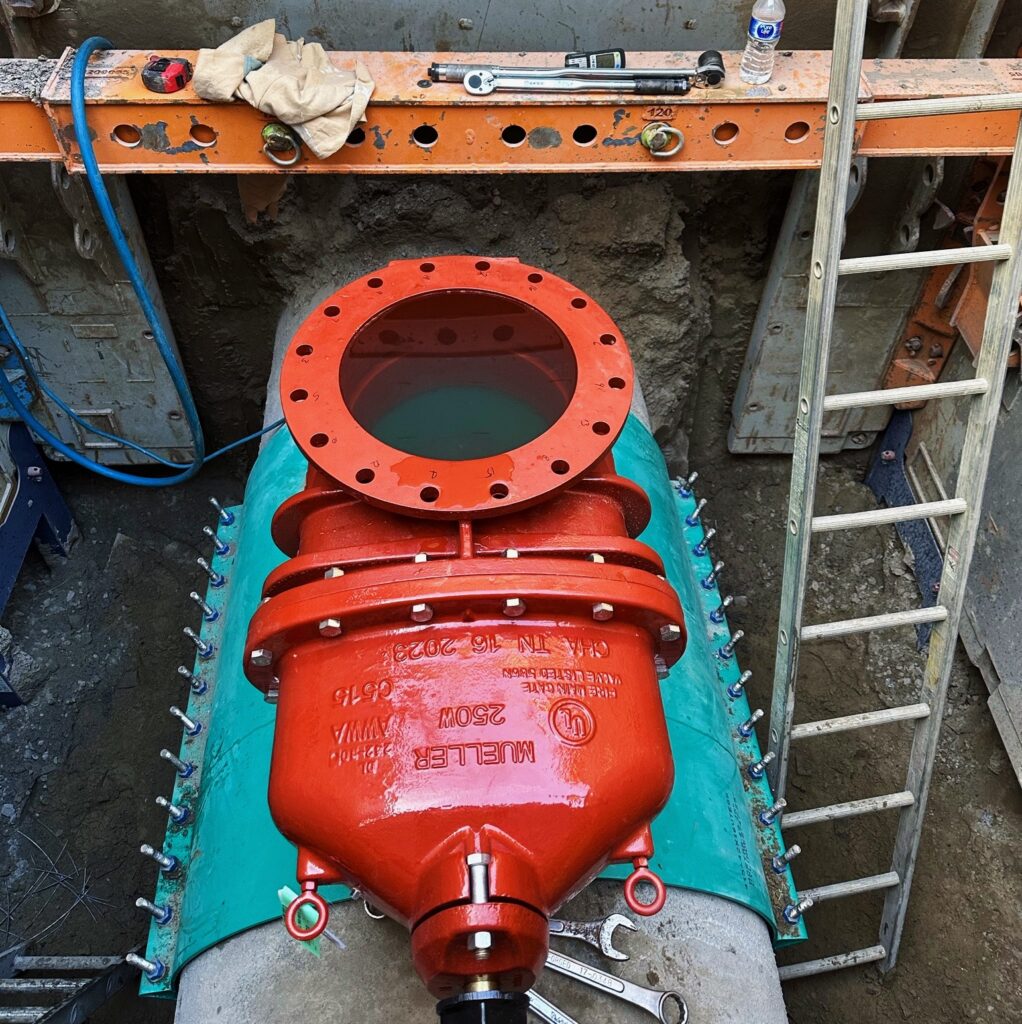
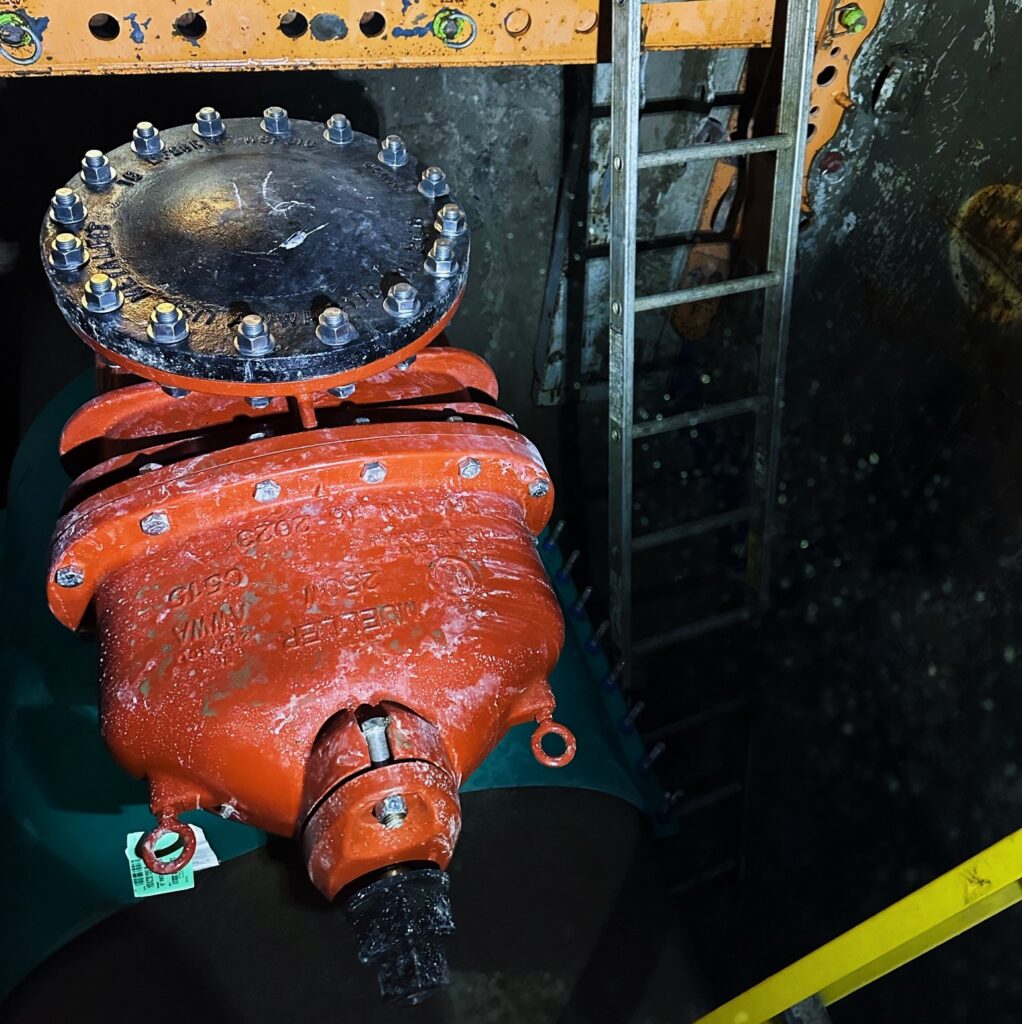
Working on Live PCCP Infrastructure.
Hot Tapping:
Hot tapping, also known as pressure tapping, is a specialized process that allows a new connection to be made on a pressurized pipeline without interrupting service. It is commonly used on AWWA C301 (PCCP) and AWWA C303 (BWCCP) pipelines when system modifications or expansions are required.
The process generally includes the following steps:
Pipeline Assessment
Before work begins, technicians inspect the pipeline, confirm operating conditions, and determine the most suitable location for the new connection.
Installing the Tapping Equipment
A tapping sleeve and valve are securely installed on the live pipeline. Specialized hot tapping equipment is then mounted to the assembly.
Creating the Connection
Using a precision cutting tool, an opening is made through the pressurized pipe while the pipeline remains fully operational. Once the cut is complete, the cutter is safely withdrawn, leaving the new connection ready for use.
Final Installation and Testing
The new valve or branch connection is secured, pressure-tested, and prepared for integration into the existing system. Throughout the procedure, the pipeline remains in service with no interruption to water flow.
Hot tapping is an efficient solution for installing new services, adding branch connections, or upgrading water infrastructure while avoiding costly shutdowns and minimizing disruption to customers.
Line Stopping:
Line stopping is a temporary pipeline isolation method that allows repairs, maintenance, or system modifications to be completed on a pressurized pipeline without shutting down the entire water network. It is commonly used alongside hot tapping to maintain continuous service during critical infrastructure work.
The process typically involves the following steps:
Pipeline Evaluation
Technicians assess the pipeline’s condition, operating pressure, and material to determine the safest and most effective location for the line stop.
Installation of the Line Stop Equipment
After a hot tap has been completed, a line stopping fitting is installed. A mechanical plugging head or other sealing device is then inserted through the fitting into the pipeline.
Temporary Flow Isolation
The sealing device is positioned inside the pipeline to temporarily stop the flow, isolating the section where maintenance or repairs will take place while the remainder of the system stays in operation.
Maintenance and Repairs
With the pipeline section safely isolated, crews can replace valves, repair leaks, install new infrastructure, or complete other maintenance activities without affecting the rest of the distribution system.
Restoring Normal Operation
Once the work is complete, the line stopping equipment is removed, the pipeline is returned to normal operating conditions, and full flow is restored.
When combined, hot tapping and line stopping provide an effective solution for maintaining and upgrading pressurized water systems while avoiding costly shutdowns and minimizing disruption to customers.
Why Choose Flow Control Solutions?
Flow Control Solutions is Canada’s leading contractor for hot tapping, line stopping, valve insertion, and emergency repairs. Here’s why we’re the best choice:
1. Expert team with extensive experience
2. Latest equipment and technology
3. High safety standards
4. Minimal disruption to services
5. 24/7 emergency response
6. Comprehensive solutions
7. Strong reputation across Canada
8. Commitment to environmental sustainability
We proudly serve Toronto, GTA, and Eastern Canada.
For all your pipeline needs, trust Flow Control Solutions. We’re here to keep your water systems running smoothly, no matter the challenge.